

The Different Types of Vertigo, and What Each One Looks Like

Three people can say the same sentence to a friend: “I think I have vertigo.” One spins for about a minute when she rolls over in bed and feels completely fine an hour later. Another has not been able to walk without holding the wall for three days. A third has lived with near-constant unsteadiness for months and does not know where to start.
Vertigo is not one condition. It is a group of symptoms linked to balance, and its cause shapes almost everything: how it feels, how long it lasts, and what helps. A diagnosis usually comes from an ENT or neurologist, and sometimes a GP. It is based on our findings from a thorough vestibular assessment. What follows is an honest look at the types of vertigo we encounter most often and how each one tends to show up.
(Still working out whether what you are feeling is vertigo, lightheadedness, or something else? We unpacked those differences in our Vertigo vs Dizziness Explained blog.)
The Types We See Most Often
BPPV
BPPV, or benign paroxysmal positional vertigo, is the most familiar of the vertigo types, and it is also one of the most treatable. It usually shows up like a sharp spinning sensation that lasts less than a minute. It can start after a head movement, like turning over in bed, looking up, or bending down. Between episodes, most people feel completely normal, though some notice a mild floaty or brain-foggy feeling in between.
The cause is tiny crystals inside the inner ear that have shifted out of their correct position. What makes BPPV more complex than it first seems is that it has several forms. Each form needs a specific repositioning technique. This must match the affected ear and the involved canal.
Getting that detail wrong does not just fail to help. It can push the crystals further into the wrong place. This can cause different or worse symptoms. This is why we recommend an assessment first rather than attempting anything at home. Once we identify the affected ear and canal, we can choose the right approach.
We will explain what we will do in the session.
We will also explain what, if anything, you can safely continue at home afterwards.
Most BPPV cases settle in one or two sessions, though more stubborn cases occasionally need more. It can recur over a person's lifetime, and there is a recognised link between BPPV and low vitamin D levels. Checking those levels is worth including in the conversation during an assessment.
Vestibular Neuritis
Vestibular neuritis is inflammation or infection of the vestibular portion of the inner ear nerve – the branch that carries the balance signal specifically.
Because the hearing branch of the same nerve is not affected, it does not typically cause hearing loss. In almost every other sense, though, it can be a frightening experience.
This type of vertigo is severe and continuous, and it does not let up regardless of position. By about day three, many people feel at their worst. They cannot stand or walk. They vomit often, and they feel overwhelmed by constant spinning. The experience can leave a person feeling a strong fear and anxiety for a long time. This can be due to the worry that it may happen again.
That fear is worth taking seriously because it can become a problem on its own. We will return to this when we discuss PPPD.
Assessment should be both diagnostic and comprehensive, involving an ENT and a vestibular-equipped audiologist working together. Treatment usually includes medication to address the inflammation and longer-term medical management.
After the acute phase, many people are left with some residual dysfunction in their balance system, even once the severe spinning has settled. A structured vestibular rehabilitation programme helps the brain compensate for what remains.
It is also worth noting that factors such as immune health, stress, anxiety, and poor sleep can worsen dizziness. This can happen in people who have had neuritis before.
That is why these factors sit alongside any rehabilitation plan.
Ménière's Disease
Ménière's is a name many people have heard. It is worth saying this directly: it is often overdiagnosed. People are sometimes told they have Ménière's, but something else may be going on. This is why a confirmed diagnosis matters and should not be assumed.
Genuine Ménière's disease has a classic triad of symptoms that tend to occur in episodes: fluctuating hearing loss, significant tinnitus, and vertigo, often alongside a heavy, full feeling on one or both sides of the head. It is linked to changes in inner ear fluid balance and sodium levels. In some cases, it affects both ears, not just one.
This is a long-term condition, and it should be understood as such from the start. Management is not a single fix. It is an ongoing process that involves close teamwork between an audiologist, an ENT, and the patient.
The ENT typically starts with the least invasive approaches and works from there based on how symptoms respond. Dietary management is a key part of care. A low-sodium approach means more than avoiding the salt shaker. It means checking the sodium content of each ingredient in every food. This is because processed foods, sauces, and tinned goods can contain lots of sodium. This is easy to overlook.
Managing the hearing component adds another layer of complexity. Hearing levels in Ménière's can vary a lot during the cycle. This means hearing devices may need different programme settings for each stage. This takes sustained collaboration between the patient and their audiology team over time.
PPPD
PPPD is the type most often misunderstood, and it is worth slowing down here.
It almost always begins after an actual vestibular event, something that occurred within the balance system.
The critical thing to understand is that it is not that initial event which keeps the dizziness going. It is the anxiety and fear that follows it. The fear of another attack keeps the nervous system on alert. This can prolong dizziness and reinforce the fear. This cycle can continue even after the original cause has fully resolved.
Anxiety is not a side note in PPPD. It is the central mechanism. That distinction matters. The condition is sometimes misread as “just anxiety” or as imagined. It is neither. The original event was real. The dizziness that followed is real. What PPPD describes is the cycle that keeps both alive.
The experience is usually a near-constant feeling of dizziness or unsteadiness. It does not feel like spinning. It is present on most days for three months or more. It is often worse when standing. It can also worsen when moving through busy places, like supermarket aisles. It may feel worse in situations that seem unpredictable or hard to leave quickly.
Treatment typically combines three things:
Counselling to address the anxiety at the root of the cycle
A vestibular rehabilitation programme to rebuild confidence and address any remaining balance challenges
In some cases anxiolytic medication, which is doctor-prescribed.
All three tend to work in combination rather than in isolation.
Vestibular Paroxysmia
Vestibular paroxysmia is rare, more so than any of the other types here. It can happen when a blood vessel presses on the nerve for balance and hearing. This is why vertigo may come with ringing or sensitivity to sound. Episodes are very brief, lasting seconds to under a minute, but can occur many times within a single day. Some people also experience sudden drop attacks, where they lose their footing without warning.
It is usually treated with medication in partnership with a neurologist. Surgery is rarely needed.
When the Cause Is Not in the Ear at All
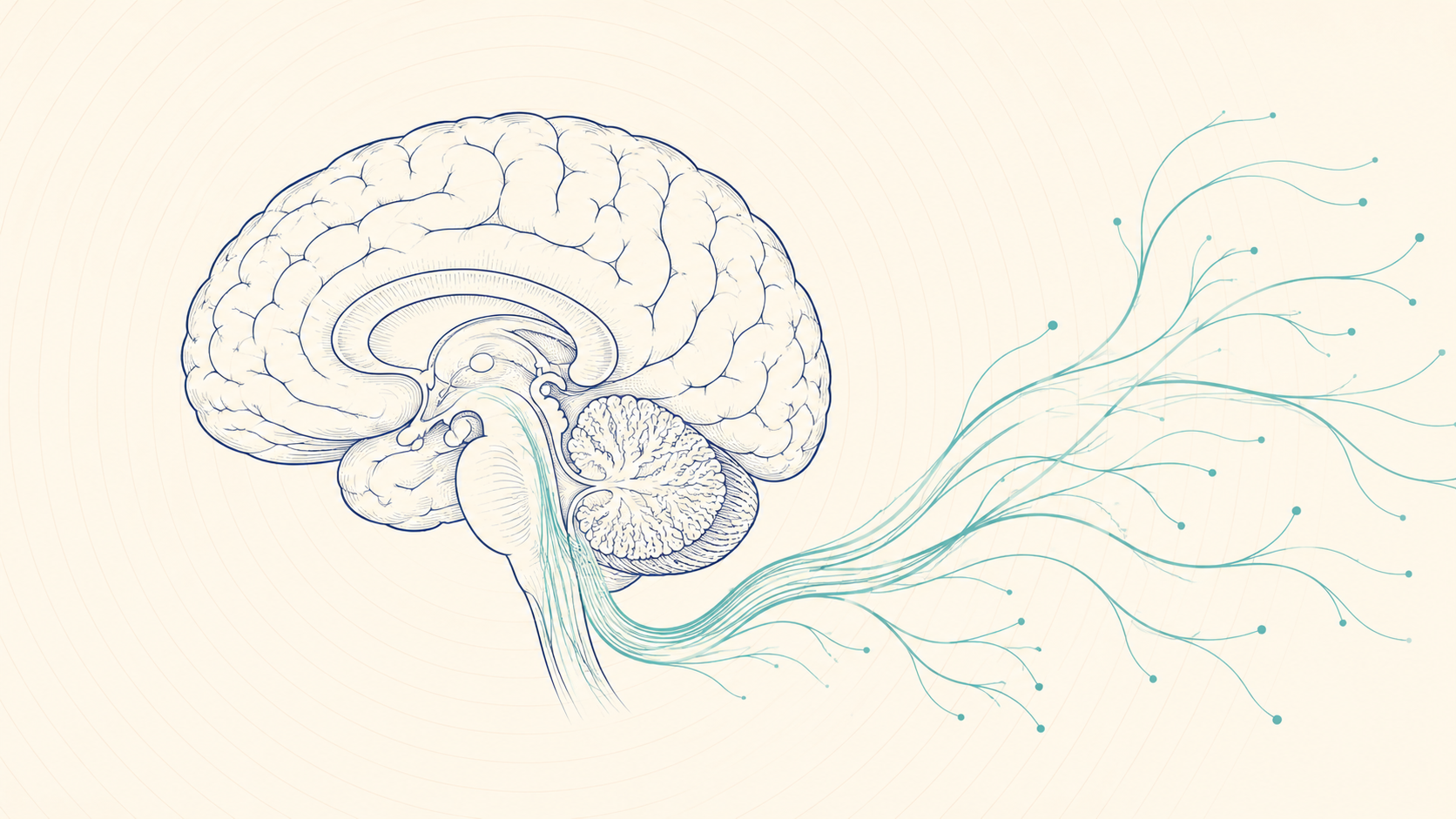
Not all vertigo starts in the inner ear. Central vertigo originates in the brain, and it does not always announce itself clearly.
A full assessment checks both central and peripheral function, because they do not always separate neatly. Some conditions, including PPPD, do not fit cleanly into either category.
What tends to distinguish central vertigo is what accompanies it. While inner ear vertigo often occurs alone, it may also include ear-related symptoms.
Central causes often come with other neurological signs.
These include slurred speech and weakness on one side of the face or body. They can also include shuffling feet, constant dizziness, or severe headaches. When these signs appear with vertigo, we can assess and confirm if a central cause is involved.
We can then ensure the right specialists are part of the team. A neurologist is usually central to that path forward.
If vertigo is happening alongside any of those neurological symptoms, seek medical attention promptly rather than waiting it out.
Getting Clarity, Not Just a Name
A name on its own is rarely the most useful thing. What matters is understanding what drives the experience. A thorough assessment can show this. It also helps you see what the right next step looks like for that specific person in their specific situation.
Kara and Cait are vestibular-trained audiologists. They guide patients through this process at our Durban and Ballito practices.
If you have noticed any of these experiences over time, are recovering from a past episode, or supporting someone who is, a comprehensive assessment is a good start. This is a more reliable starting point than guessing.
Come in for a balance assessment in Durban or Ballito so we can work out which type of vertigo you are dealing with and what a sensible path forward looks like for you.